
A clean office creates a professional first impression, helps employees feel comfortable, and makes the workplace easier to manage. But maintaining a consistently clean environment takes more than wiping desks and emptying trash cans at the end of the day.
For businesses across Pennsylvania, having a structured office cleaning checklist helps ensure that important tasks are completed regularly. From high-touch surfaces and shared workstations to carpets, restrooms, and common areas, every part of the workplace needs the right level of attention.
Whether you manage a small office in Norristown or a busy commercial facility in Montgomery County, this guide will help you organize your cleaning routine with daily, weekly, and monthly tasks.
Why Every Office Needs a Cleaning Schedule
Without a clear cleaning routine, some areas may receive attention every day while others are overlooked for weeks.
A structured schedule helps businesses:
- Maintain a professional appearance for clients and visitors.
- Keep shared spaces clean and organized.
- Reduce dust and visible dirt buildup.
- Establish clear responsibilities for cleaning tasks.
- Identify when additional maintenance or professional cleaning is needed.
The best cleaning schedule depends on your office size, employee count, foot traffic, and the type of work performed in the space.
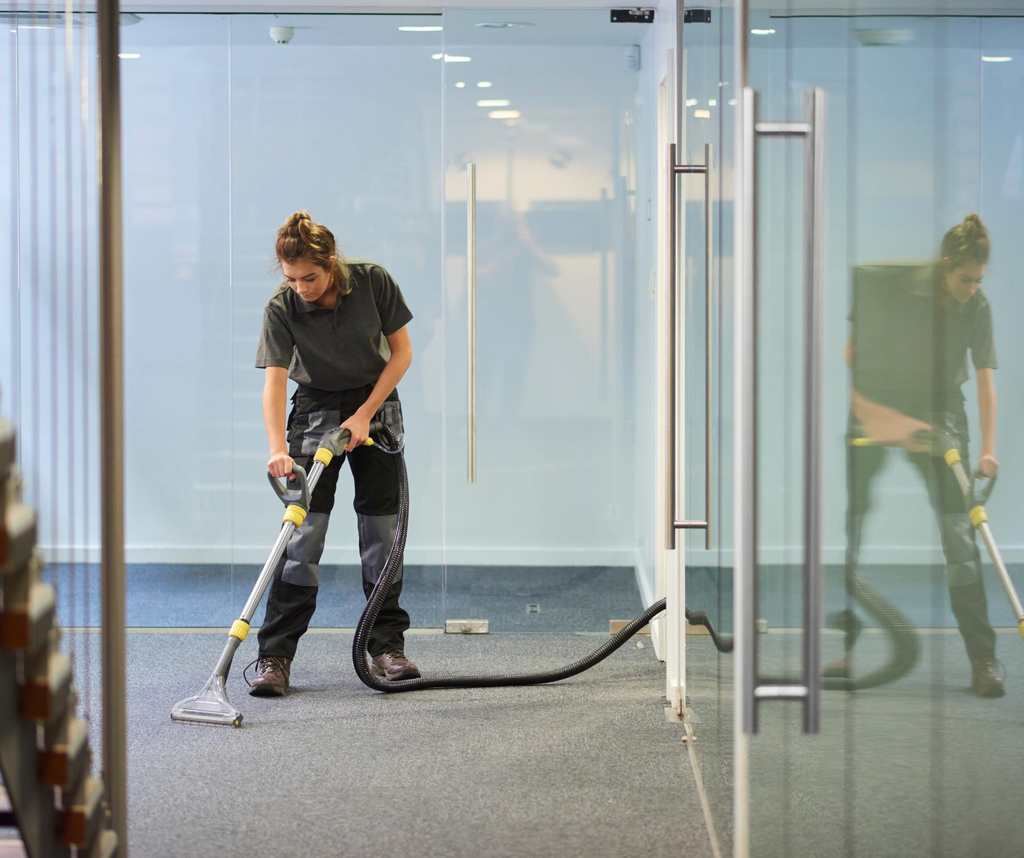
1. Daily Office Cleaning Checklist
Daily cleaning focuses on areas that receive frequent use and need consistent attention throughout the workweek.
Use this checklist at the end of each business day or as part of your regular janitorial service.
Workstations and Shared Desks
- Wipe accessible desk surfaces where appropriate.
- Clean shared tables and meeting room surfaces.
- Remove visible crumbs, spills, and debris.
- Empty waste bins when needed.
- Organize common areas and return shared items to their designated places.
Employees should follow workplace policies when handling personal belongings, documents, and electronic equipment.
Reception and Common Areas
- Wipe reception counters and frequently touched surfaces.
- Clean visible marks from glass doors where necessary.
- Remove rubbish from waiting areas.
- Straighten chairs and tidy shared spaces.
- Check floors for visible dirt and debris.
The reception area is often the first part of your business that visitors see, making its appearance particularly important.
Restrooms
- Clean and disinfect appropriate fixtures according to product instructions.
- Clean sinks, counters, and mirrors.
- Check toilets and other frequently used surfaces.
- Empty waste bins.
- Replenish soap, paper towels, and toilet paper as needed.
- Inspect floors for spills and visible dirt.
Restrooms may require more frequent checks in workplaces with heavy foot traffic.
Kitchen and Break Rooms
- Wipe counters and dining tables.
- Clean sinks and remove food residue.
- Check shared appliances for spills.
- Empty rubbish bins as needed.
- Sweep or vacuum floors, then mop suitable hard surfaces.
- Remove abandoned food according to workplace policy.
Shared food preparation areas benefit from clear employee responsibilities and regular cleaning.
Floors and Walkways
- Sweep or vacuum visible dirt.
- Address spills promptly using appropriate procedures.
- Clean heavily used entrance areas.
- Keep walkways free of rubbish and obstructions.
Daily priority: Focus on hygiene, visible cleanliness, waste removal, and areas used by employees and visitors throughout the day.
2. Weekly Office Cleaning Checklist
Weekly cleaning addresses dirt and dust that may accumulate beyond everyday surface cleaning.
Depending on your facility, these tasks can be scheduled during quieter business hours or outside normal operating times.
Office Furniture and Fixtures
- Dust accessible shelves, cabinets, and furniture.
- Wipe chair arms and shared furniture.
- Clean conference room tables thoroughly.
- Dust accessible window sills and ledges.
- Remove fingerprints from suitable glass surfaces.
Floors and Carpets
- Vacuum carpets and rugs thoroughly.
- Clean corners and edges that are easily missed.
- Mop hard floors with suitable cleaning products.
- Inspect entrance mats for dirt buildup.
- Address localized marks and stains using appropriate methods.
High-traffic carpets may need more frequent vacuuming, while periodic deep cleaning depends on the material and condition.
Kitchen and Break Rooms
- Clean appliance exteriors and handles.
- Wipe cabinet fronts and accessible surfaces.
- Clean backsplashes and frequently used areas.
- Check for food residue in overlooked corners.
- Inspect shared refrigerators according to workplace policy.
Restrooms and Shared Facilities
- Clean partitions and accessible wall areas as appropriate.
- Detail frequently touched fixtures.
- Inspect grout, corners, and floor edges.
- Check dispensers and fixtures for visible buildup or damage.
- Review supplies and report maintenance issues.
Weekly priority: Remove accumulated dust, improve floor appearance, and give shared facilities more detailed attention.
3. Monthly Office Cleaning Checklist
Monthly cleaning focuses on overlooked areas, periodic maintenance, and tasks that are not always necessary during routine visits.
The ideal frequency will vary depending on building use, materials, and maintenance requirements.
Detailed Dusting
- Dust accessible vents and grilles where appropriate.
- Clean higher shelves and less frequently used surfaces.
- Remove dust from suitable light fixtures when safe to access.
- Inspect corners and areas behind movable furniture.
- Check window sills and ledges for accumulated debris.
Work at height and electrical fixtures should only be cleaned using safe, appropriate procedures by qualified personnel where required.
Carpets and Upholstery
- Inspect carpets for persistent stains and worn areas.
- Identify upholstery that needs additional attention.
- Schedule deeper carpet or upholstery cleaning when necessary.
- Review entrance mats and heavily used flooring.
Interior Glass and Detail Areas
- Clean accessible interior glass thoroughly.
- Detail door frames and suitable trim.
- Remove accumulated marks from appropriate wall surfaces.
- Inspect baseboards and corners for dirt buildup.
General Facility Inspection
- Review recurring cleaning issues.
- Identify areas that require a revised cleaning frequency.
- Check for damaged flooring, leaks, or other maintenance concerns.
- Review cleaning supplies and consumables.
- Update the cleaning checklist if the office layout or usage has changed.
Monthly priority: Address neglected areas, identify maintenance needs, and evaluate whether the existing cleaning schedule is working.
4. Seasonal Cleaning Tasks for Pennsylvania Offices
Pennsylvania’s changing seasons can introduce different cleaning challenges throughout the year.
Winter
Snow, slush, road salt, and moisture can be tracked indoors. Pay extra attention to entrances, floor mats, hard floors, and slip hazards.
Spring
Pollen, dust, and debris may accumulate around entrances and windows. Review interior surfaces and consider exterior cleaning where needed.
Summer
Increased activity, open windows, and humid conditions can create additional cleaning needs. Monitor entrances, shared spaces, and areas prone to moisture.
Fall
Falling leaves and wet weather can increase debris around entrances and walkways. Check mats, entry floors, and exterior surfaces before winter arrives.
Seasonal tasks should supplement your regular cleaning routine rather than replace daily and weekly maintenance.
5. Should Your Business Handle Cleaning In-House or Hire Professionals?
Some offices can manage basic tidying through employee responsibilities. However, assigning all cleaning duties to staff may become difficult as the business grows.
An organized in-house routine may work for smaller spaces with limited cleaning requirements. Professional janitorial services may be a better option for businesses that need recurring cleaning, consistent task coverage, or more time to focus on daily operations.
Before deciding, consider:
- The size and layout of your facility.
- How many people use the space.
- The time required to complete cleaning tasks.
- The cleaning equipment and products needed.
- The frequency of cleaning required.
- Whether specialized or periodic services are necessary.
The goal is to choose an arrangement that maintains your facility without creating unnecessary operational demands.
6. How Smelly’s Cleaning Can Help Pennsylvania Businesses
Maintaining a commercial space requires a reliable routine and attention to the details that are easy to overlook during a busy workday.
Smelly’s Cleaning provides janitorial and commercial cleaning services in Norristown, Montgomery County, and surrounding areas of Pennsylvania.
A cleaning plan tailored to your facility can help address routine maintenance needs, support a professional workplace appearance, and establish a more consistent approach to cleaning.
Whether your office needs recurring janitorial service or additional attention to specific areas, discussing your requirements with a professional cleaning provider can help you determine an appropriate schedule.
Looking for commercial cleaning services in the Norristown area?
Visit Smelly’s Cleaning to learn more about the company’s services and request a quote.
Frequently Asked Questions
How often should an office be cleaned?
Most offices benefit from daily attention to high-use areas, regular weekly cleaning, and periodic detailed cleaning. The ideal frequency depends on foot traffic, facility size, and workplace requirements.
What should be included in a daily office cleaning checklist?
Daily tasks commonly include emptying waste bins, cleaning frequently touched surfaces, maintaining restrooms and break rooms, and addressing visible dirt on floors and shared surfaces.
What is the difference between daily and weekly office cleaning?
Daily cleaning focuses on hygiene, waste removal, and frequently used spaces. Weekly cleaning generally includes more detailed dusting, floor care, and cleaning of areas that do not need attention every day.
How can businesses maintain cleaner offices during Pennsylvania winters?
Use suitable entrance mats, address tracked-in moisture and salt promptly, inspect floors regularly, and increase attention to entrances and walkways during snowy or wet conditions.
When should a business hire a professional cleaning company?
Consider professional cleaning when routine tasks are difficult to manage internally, the facility needs consistent recurring service, or existing cleaning arrangements are not meeting workplace requirements.
Final Thoughts
A clean office does not happen by accident. It takes a practical schedule, clearly defined responsibilities, and consistent attention to frequently used and easily overlooked areas.
By dividing cleaning tasks into daily, weekly, monthly, and seasonal routines, Pennsylvania businesses can make facility maintenance more manageable and maintain a welcoming environment for employees and visitors.
Need help maintaining a clean, professional workplace? Contact Smelly’s Cleaning to discuss your commercial cleaning needs.